

How to Measure Your Body Fat Percentage at Home
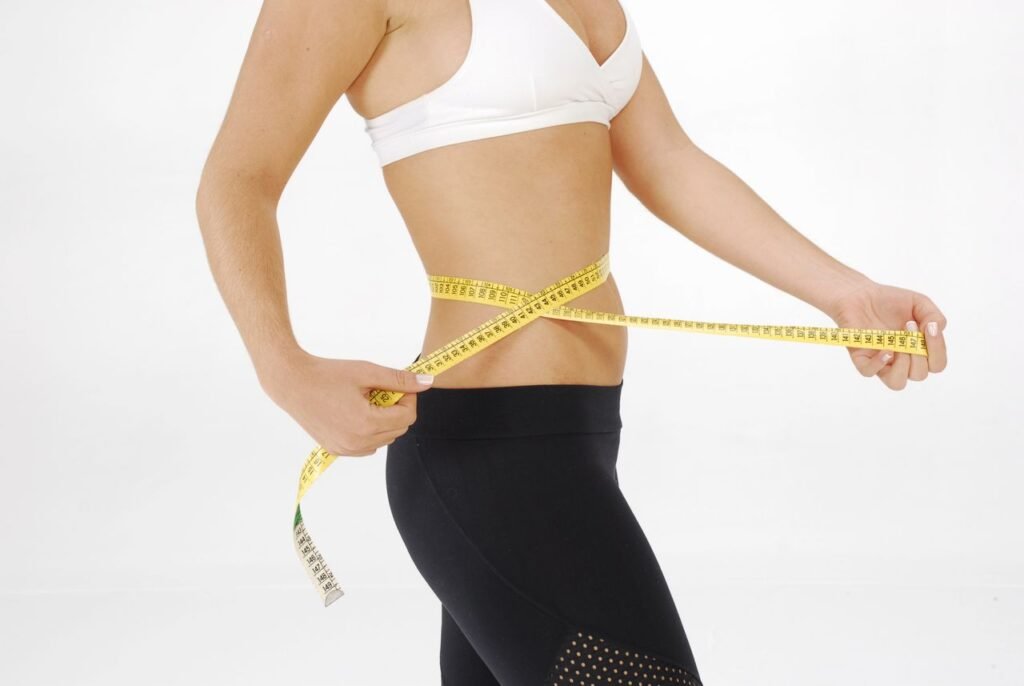
The number on your bathroom scale tells you how much you weigh, but it says nothing about what that weight is made of. Two people can weigh exactly the same and look completely different, because one carries more muscle and the other more fat. That is why body fat percentage is often a better way to track your progress. The good news is that you do not need a lab or an expensive machine to get a useful estimate. With a few simple tools, you can measure your body fat at home.
Saiba mais +
Why Body Fat Percentage Matters
Body fat percentage is the proportion of your total weight that comes from fat. The rest is lean mass, including muscle, bone, organs and water. Tracking this number helps you see whether you are losing fat or muscle when the scale goes down, and whether you are gaining muscle when the scale barely moves. It is especially useful for people who are strength training, because their weight may stay the same while their body composition improves.
As a general guide, healthy ranges for adults often fall around 10 to 20 percent for men and 18 to 28 percent for women, though the ideal range depends on age, genetics and activity level. Athletes typically have lower values, while body fat naturally tends to rise a little with age.
The Tape Measure Method
The simplest and most affordable way to estimate body fat at home is with a flexible tape measure. One of the best-known approaches is the method developed by the U.S. Navy, which uses your height and a few circumference measurements. Men measure the neck and waist, while women measure the neck, waist and hips. These numbers are plugged into a formula that estimates body fat percentage with reasonable accuracy for most people.
Accuracy depends on careful measuring. For the waist, the Mayo Clinic's guidance on measuring belly fat recommends wrapping the tape around your bare abdomen just above the hip bone, keeping it snug but not tight, and measuring after you breathe out without sucking in your stomach. Once you have your measurements, a US Navy body fat calculator can do the math for you in seconds.
Skinfold Calipers
Skinfold calipers are an inexpensive tool that measures the thickness of fat just beneath the skin at specific points on the body, such as the triceps, abdomen, thigh and the area above the hip bone. The measurements are entered into a formula to estimate total body fat. Calipers can be quite accurate in experienced hands, but they take practice. Pinching the same spot consistently is the key, so it helps to have the same person take the measurements each time.
Smart Scales and Bioelectrical Impedance
Many modern bathroom scales claim to measure body fat using bioelectrical impedance. They send a small, harmless electrical current through your body and estimate fat based on how easily it travels, since fat and lean tissue conduct electricity differently. These devices are convenient, but their readings can vary significantly depending on hydration, recent meals, exercise and even the temperature of your feet.
If you use a smart scale, the trick is consistency. Weigh yourself at the same time of day, under the same conditions, such as first thing in the morning after using the bathroom. Focus on the trend over several weeks rather than any single reading.
Tips for Tracking Your Progress
Whichever method you choose, stick with it. Different methods can produce different numbers, so switching between them makes it hard to see real change. Measure every two to four weeks rather than daily, because body fat changes slowly. Combine your measurements with progress photos and notes on how your clothes fit, which can reveal improvements the numbers miss. If you want a highly precise measurement, professional options such as DEXA scans are available, but for most people, consistent home tracking is more than enough.
Conclusion
Measuring your body fat at home is easier than many people think. A tape measure, a pair of calipers or a smart scale can all give you a useful estimate, as long as you measure carefully and consistently. By tracking body composition instead of weight alone, you will get a clearer picture of your progress and stay motivated as you build a healthier, stronger body.
Espero que o conteúdo sobre How to Measure Your Body Fat Percentage at Home tenha sido de grande valia, separamos para você outros tão bom quanto na categoria Beleza e Saúde



Conteúdo exclusivo